
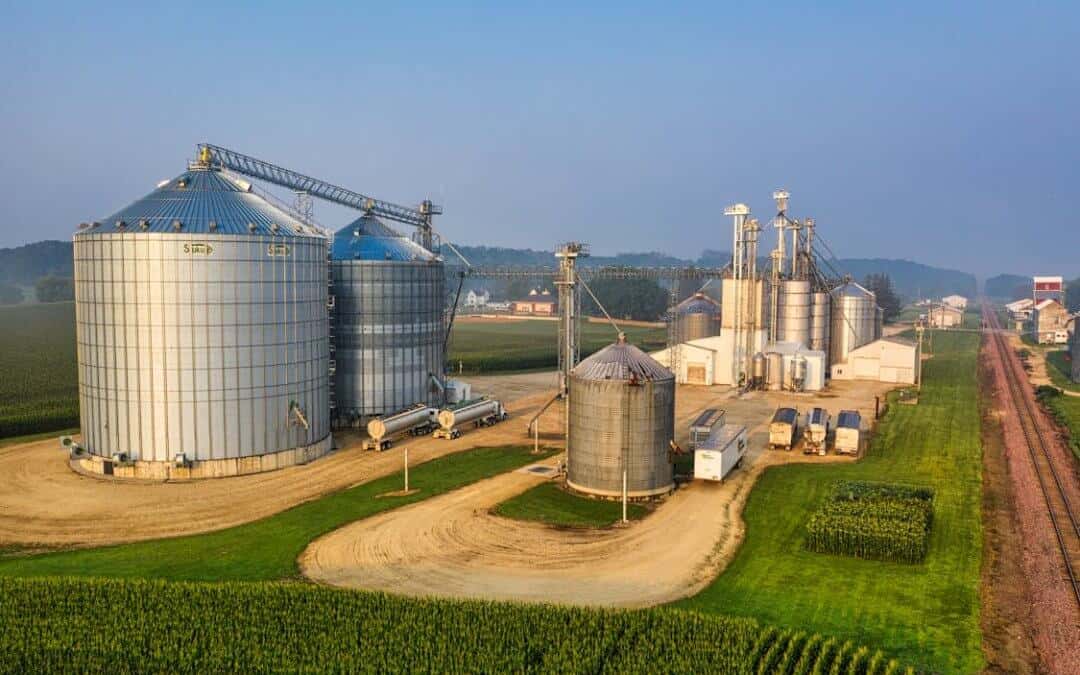
Agricultural and industrial storage has been shifting rapidly from cast concrete to prefabricated steel silos, and the reasons are plain to see. Faster build times reduce exposure to weather and cut labor bills, which keeps project budgets under control.
Operators are finding that steel systems match or beat concrete for durability while offering easier changes over the years. The move has picked up momentum as supply chains, construction practices, and on site demands all evolve.
Faster Construction And Deployment
Steel silos arrive on site as ready made modules that bolt together, which shortens the calendar from groundbreaking to full operation. Casting concrete takes more steps and longer curing times, and that delay can mean lost storage capacity right when it is needed most.
Erecting a steel unit often requires a smaller crew and fewer heavy machines, lowering day to day disruption on farms and plants. In plain terms, time is money and less waiting means faster returns.
Lower Capital And Lifecycle Costs
The price tag for a steel silo is commonly lower for equivalent capacity, and the financial picture improves when lifetime expenses are tallied. Foundations can be lighter and simpler for steel, trimming early site preparation costs and reducing excavation needs.
When repairs are needed, replacing a corroded panel or seal is often faster and cheaper than remediating concrete spalling or hairline cracks. Owners who keep a close eye on operating budgets see savings stack up over multiple seasons.
Greater Design Flexibility
Manufacturers offer a wide palette of sizes and layouts that let buyers pick a layout best suited for their workflow and future expansion. Modular panels and rings can be added or removed with less hassle than extending a concrete shaft, which typically calls for significant demolition and rebuilding.
That flexibility also helps when site constraints or zoning rules limit heavy construction work for long periods. The ability to adapt facilities without long shutdowns makes planning more confident.
Improved Grain Quality And Preservation
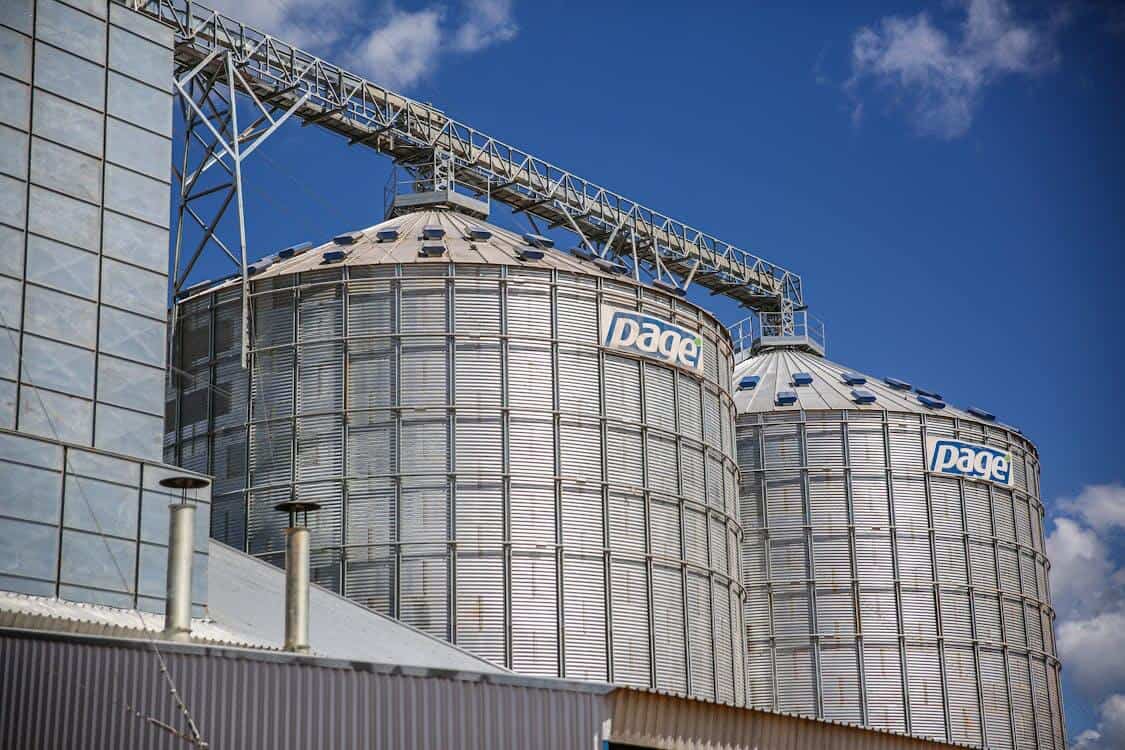
Steel tanks can be fabricated to tight tolerances and fitted with modern seals that reduce air infiltration, keeping stored material drier and cooler over long stretches. Aeration and temperature control systems are simpler to attach and upgrade on sheet metal structures, which supports quality management from season to season.
Fewer moisture swings mean less spoilage and a steadier market grade at sale time. For merchants and farmers, better preservation often translates directly into better margins.
Easier Maintenance And Inspection
Routine checks on steel surfaces are direct and fast; a visual inspection will reveal corrosion, loose bolts, or seal wear in short order. Repairs tend to be localized so teams can swap out panels or replace linings without taking the entire structure out of service.
That incremental approach allows maintenance scheduling that fits harvest and processing windows rather than forcing long shutdowns. When downtime is measured in hours instead of weeks, operations breathe easier.
Speedy Technological Integration
Sensors, remote monitoring, and automated controls are straightforward to install on steel surfaces, where cabling and mounts can be added without cutting into load bearing mass. Wireless telemetry and smart probes work well with retrofits, and upgrades to instrumentation do not demand major civil works.
Operators can track temperature, humidity, and inventory in near real time and act quickly if readings stray. The result is a smarter storage asset that communicates status instead of waiting for a visual cue.
Environmental And Site Impact
Manufacturing steel panels in a controlled plant reduces on site disturbance and heavy vehicle hours at construction sites, which lessens ground compaction and short term runoff issues. Steel is highly recyclable and many components can be reclaimed at end of life, offering a clear loop back into the metal supply stream.
Concrete requires significant cement content and large scale placement that can leave longer lasting traces on a site footprint. Choosing a Steel silo over traditional concrete structures often cuts both material waste and environmental footprint.
Logistics And Mobility Advantages
Because steel units are modular they move more easily, which matters when storage needs change with crop rotations or seasonal demand swings. A silo can be disassembled, transported on standard trailers, and reassembled at a new location with relative speed and predictable labor.
This mobility gives operators a chance to follow demand rather than be fixed to a single permanent footprint. In industries where volumes shift from year to year, that kind of flexibility removes a lot of the guesswork.
Safety And Structural Predictability
Steel sections are engineered with consistent material properties that simplify load calculations and risk assessment for snow and wind loads on large spans. Bolted connections and visible fastenings make it easier to validate structural health and to spot fatigue before it becomes a crisis.
Routine safety checks are routine for a reason because they reduce surprises and support safer work practices around fill and discharge operations. Workers notice the difference when equipment behaves the way engineers predicted.
Market Forces And Supply Chain Benefits
Component standardization has driven a robust market for steel silo parts and service, which cuts lead times for replacement parts and opens strong aftermarket competition for service work. Suppliers can ship rings and roofs from regional plants rather than waiting on long haul logistics for site cast concrete work.
Those shorter lead times reduce project risk and smooth cash flow for both small operators and large firms. The entire procurement chain becomes leaner when parts and expertise are widely available.


