
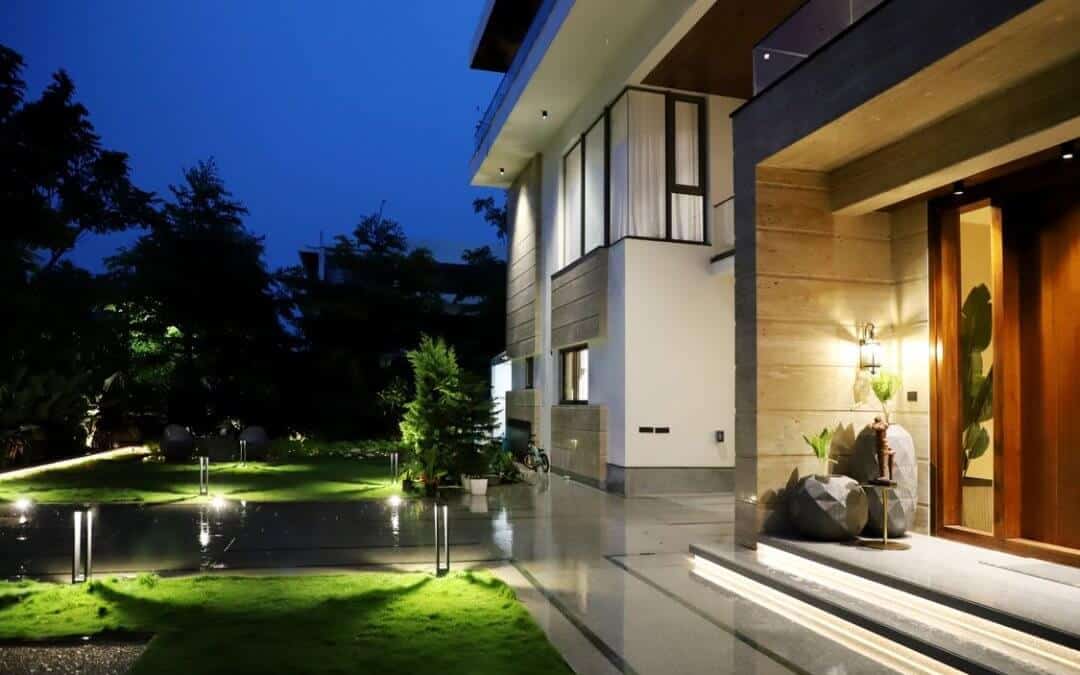
Las Vegas is the last place most people picture when they hear “dark skies.” It’s the city whose glow you can see from space. But a statewide push to rein in light pollution is starting to shape how Nevadans light their own backyards, and it’s more practical than it sounds.
The idea isn’t to drop patios into darkness. It’s to light them better, with fixtures that put light where you want it and keep it out of the night sky. For a homeowner, that turns out to line up neatly with comfort, running cost, and good design.
As the state pushes responsible outdoor lighting, the old habit of flooding a yard with harsh, upward-spilling light is starting to look dated. The patio worth copying now is lit with intention, and that intention happens to make for a nicer space.
The statewide program behind the shift
Nevada has leaned into its night skies as a real asset, with a formal certification effort nudging communities toward dark-sky-friendly practices. The push picked up steam in 2025 with new resources aimed at homeowners and local governments alike.
That summer the state’s outdoor recreation division launched a Dark Skies toolkit to help communities, businesses, and homeowners cut light pollution through better fixtures and better habits.
The guidance comes down to a few clear ideas. Use only as much light as you need. Shield fixtures so the light points down where it’s useful. Lean warmer on color temperature. Add timers and motion sensors so nothing blazes all night. Communities around the state have already moved on local ordinances, and the standards they point to, shielded fixtures and warmer light below a set color temperature, are exactly the kind of thing you can apply to a patio without any mandate at all.
Why dark-sky principles make better patios
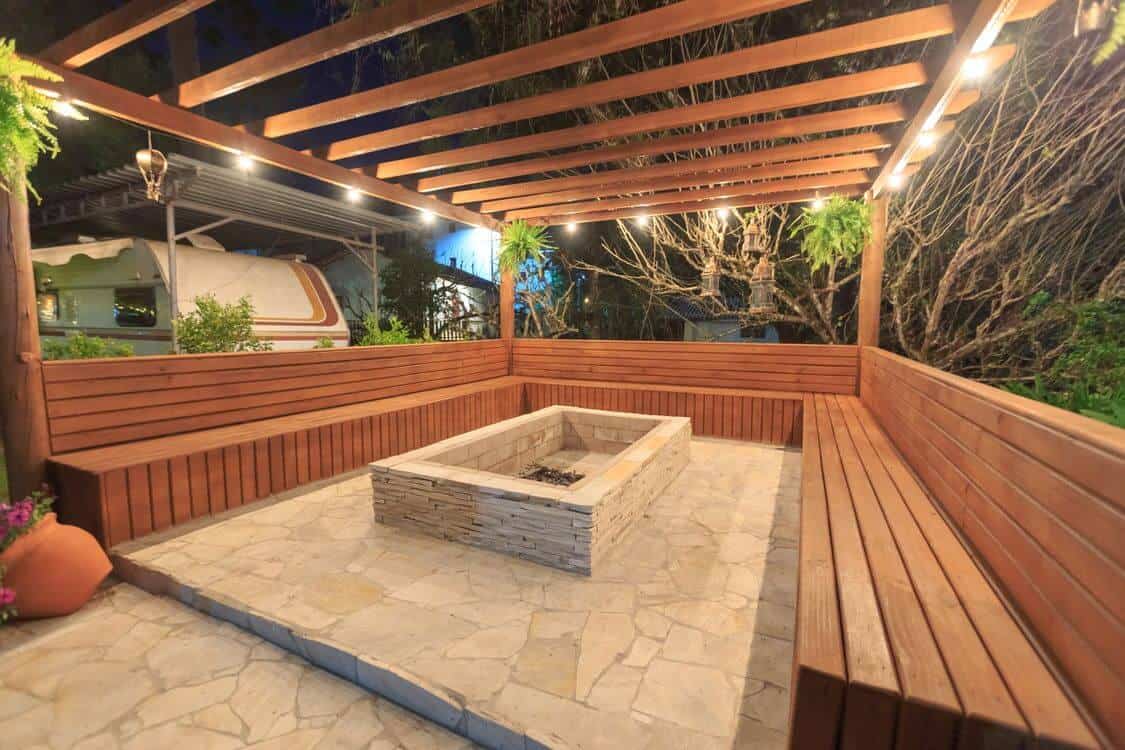
Here’s the part that surprises people. Lighting designed to protect the night sky also happens to be lighting that feels better to sit under. Glare is the enemy of atmosphere, and shielded, downward-aimed fixtures kill the glare.
Picture the difference between a harsh floodlight that makes you squint and a run of soft, shielded fixtures washing a warm glow across a seating area. The dark-sky approach picks the second one every time, and the second one is what makes a patio feel like somewhere you want to linger.
Warm color temperature is the other quiet upgrade. Cooler, bluer light reads clinical and institutional. The warmer tones the guidance encourages give you that golden-hour feeling people actually want outdoors. Layering ties it together: instead of one bright source, the better-lit patio uses several low, shielded fixtures, each doing a specific job. That’s dark-sky-friendly, and it’s just good lighting.
Lighting a covered patio the smart way
A covered structure is an ideal canvas for this, because it gives you places to mount controlled, downward fixtures instead of relying on harsh perimeter floods. Recessed fixtures set into a solid cover throw clean, shielded light by their very nature.
Under-beam and pendant fixtures hung from the structure put light exactly where it’s used, over a table or a seating zone, without spilling it sideways into a neighbor’s yard or up into the sky. The cover does the shielding work for you.
Controls stretch the benefit further. Timers, dimmers, and motion sensors mean the space is lit only when it’s in use and only as bright as the moment calls for, which satisfies the dark-sky principle of using light only when needed and trims energy as a bonus. Warm-toned fixtures rated for the outdoors round it out, holding up to the elements while keeping the color inviting.
The covered patio anchors the whole scheme. It gives the lighting a frame to live in and a structure to mount on, and the result respects Nevada’s night skies while feeling better to spend time in. That’s a rare case of the responsible move and the pleasant one being the same move. Even in the brightest city in the country, the argument for lighting a backyard with restraint keeps getting stronger.


