

Silver pieces speak in small marks and symbols that tell a buyer about metal content and maker identity. Learning to read those stamps gives a clearer sense of value before you hand over cash.
Some marks are plain numbers while others are tiny icons that trace back to a city or assay office. With a little practice you can spot a fair price and reduce the chance of a costly surprise.
What Silver Purity Marks Mean
Purity marks state how much of the piece is actual silver rather than alloy metal. A numeric mark often shows parts per thousand so a stamp like 925 means the item is 925 parts silver out of 1000.
That same idea appears in words on vintage pieces where a maker might stamp the word STERLING to signal similar content. Beyond the raw number, purity affects how the metal wears and how easy it is to repair or polish.
Hallmarks can carry legal weight since they result from an assay that tested the metal. When an official office stamps a piece it ties the mark to a verified test and to a chain of custody that can boost buyer confidence.
Private maker marks show who made or sold the item and can raise value when the name is known and sought after. If the maker mark is missing or crude the object might still be fine but a careful buyer will want more proof.
Common Marking Systems Around The World
Different countries use varied mark types that reflect local history and law. The numeric system is widespread with 800 and 925 common in Europe and 999 appearing on fine silver items in some markets.
British hallmarks include town marks and date letters that tell where and when an assay took place while other nations favor a simple purity number and a maker initial. Learning a few regional codes will speed up an appraisal in an antique shop or at an online auction.
Some regions use animal or crown symbols that can look like tiny drawings to the untrained eye. Those icons once signaled a national standard and often still carry weight for collectors.
If you see a lion, anchor, or crown next to a number you are looking at a system that links mark to office and time. The extra stamp can push price up when it proves legal testing rather than mere self claim.
How To Read Numeric Stamps And Letters
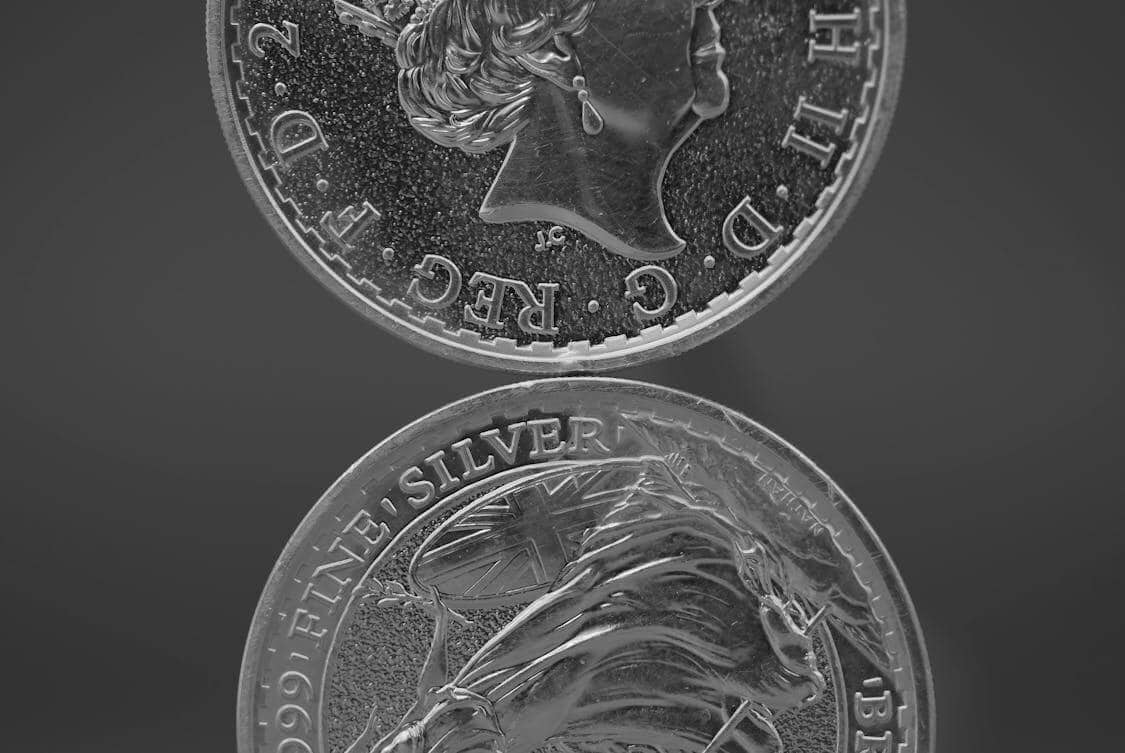
Numeric stamps are straightforward if you know the scale and what the digits mean. A 925 stamp equals 92.5 percent silver and an 800 mark equals 80 percent silver which will affect color and hardness.
Letter stamps such as STERLING or SILVER are less precise but commonly understood language that signals a high silver ratio in many markets. On small items makers often combine both a numeric and a letter mark for clarity.
Date letters and assay office codes are small but useful when you want more context for age and origin. A date letter may use a changing alphabet to show the assay year which adds provenance for antique collectors.
Maker initials or a full name can be traced via reference books or online databases for hallmarks. When stamps match known patterns you can build a narrative about where and when an item entered the market.
Hallmarks And Maker Marks Explained
A hallmark set can include purity, assay, town, and date stamps that work together to tell a full story. The assay mark proves metal content and ties the piece to a legal test while the town mark points to the city that made the assessment.
Maker marks or sponsor marks identify the craftsman or firm responsible for the object and sometimes reflect quality or design lineage. Many collectors prize items with a known maker because the name gives context beyond raw metal.
Maker marks vary wildly in form and clarity which makes a loupe or magnifier a handy companion for buyers. Some firms used pictorial marks that look like tiny logos while others used initials cramped into a cartouche.
When marks are consistent and crisp they suggest factory or studio control and attention to craft. When marks are smudged or absent a buyer should question provenance and ask for more documentation.
Spotting Fakes And Red Flags
Plated goods can mimic good silver by carrying fake stamps or by having a thin layer of silver over a base metal core. A few simple checks will catch many fakes such as a magnet test since solid silver is not magnetic and a weight check that compares feel to expected mass.
Look for odd fonts or shallow stamps that seem pressed without care which can signal an afterthought marking job. Corrosion patterns that reveal a different metal underneath tarnish are a strong hint that the piece is not solid silver.
If you’re unsure about authenticity, reviewing the silver price money metals can at least give you a baseline sense of whether the seller’s price seems suspiciously low.
More advanced testing like acid drops or an X ray fluorescence scan will confirm composition but are not always feasible at a flea market. If a seller balks at testing or has an evasive story about origin and lack of receipts it is fair to walk away.
Ask direct questions about repair history and whether any plating was applied and see how the seller responds. A cautious buyer blends healthy skepticism with a bit of curiosity and does not let a lively sales pitch cloud judgment.
Practical Tips For Smarter Buying
Bring a small magnifier and a basic checklist for purity number, maker mark, assay symbol, and obvious wear spots when you shop in person. Weigh the item with your hand and compare feel and sound to similar pieces you have handled in the past which builds an internal reference that helps over time.
When buying online ask for close up photos of marks under magnification and a return policy that covers authenticity issues. If price seems too good to be true it probably is so pause and verify before you click or pay.
Keep a short list of trusted sellers and reference sites where hallmark and maker mark images are cataloged so you can cross check quickly. Practical knowledge grows with small repeated encounters so a buyer who sees many pieces learns to spot subtleties that a one time buyer misses.
If you plan to invest in a rare maker or age feel free to request an independent assay or paper trail. A calm approach and a few simple tools will save money and steer you toward pieces that can be worn and enjoyed without regret.


