
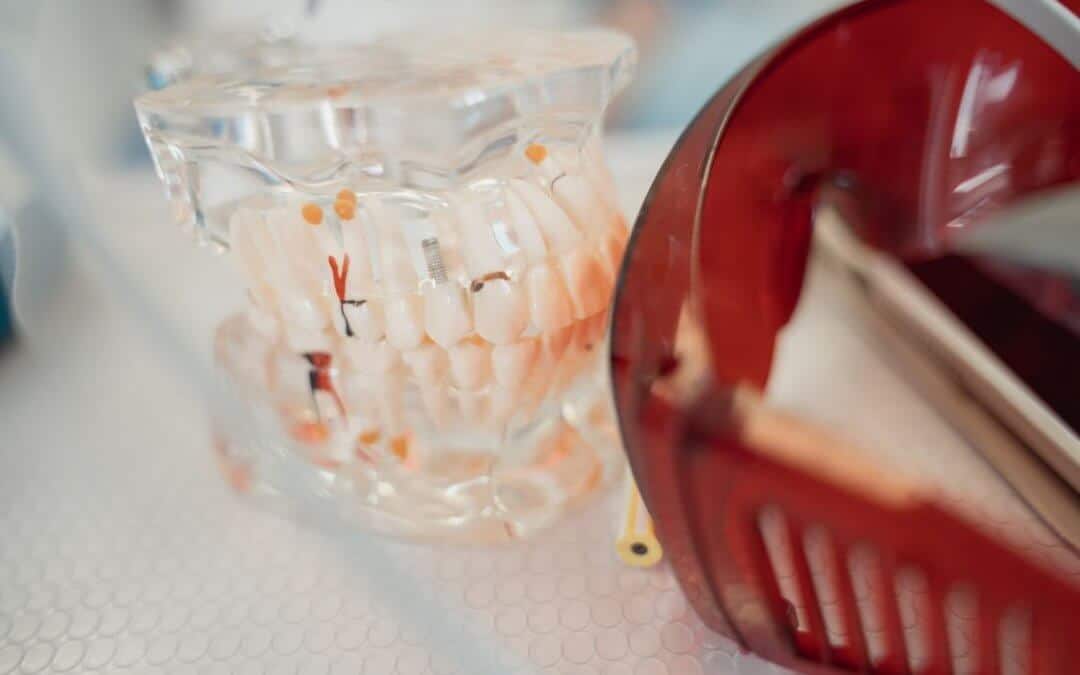
There’s a second answer to the bone-loss problem, and for a lot of patients it’s the more appealing one. Instead of rebuilding missing bone with a graft and waiting months for it to heal, some full-arch techniques are designed to work around the bone loss and use whatever bone is still there.
The core idea is almost disarmingly simple. Rather than drive every implant straight down into thinned areas, a surgeon can angle the back implants to catch the denser, more intact bone that remains, often toward the front of the jaw.
The logic of the tilt
This approach, tied most famously to the All-on-4 concept, uses four to six implants to hold a full arch of fixed teeth. Two sit upright in the front, and the rear implants tilt, letting them grab solid bone while dodging the sinus and nerve structures that complicate the back of the jaw. Spreading the load across four well-placed posts, angled to reach the strongest bone available, is what lets so few implants carry a whole arch of teeth.
By catching existing bone at an angle, the technique can sidestep the heavy grafting a straight-down placement would have demanded. For a patient dreading months of bone-building, that’s a real difference. Long-term evidence has been the open question, and a 12-year retrospective study published in early 2026 helps close it. Following patients treated with a computer-guided, graftless All-on-4 protocol, it reported a 92.5% implant survival rate at twelve years and called the approach a viable long-term option for edentulous jaws.
Why graftless appeals to bone-loss patients
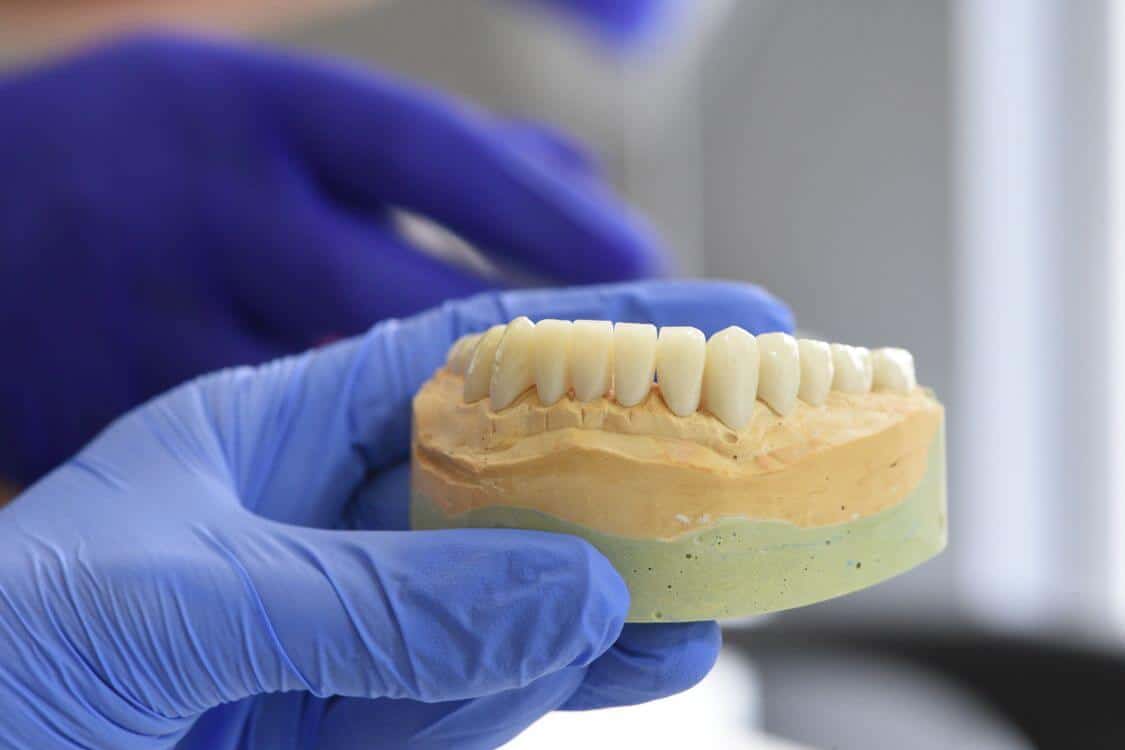
The advantages stack up quickly for the right candidate. Skipping the graft compresses the overall timeline, avoids a separate surgical site, and often lets a fixed provisional set of teeth go on the same day the implants do.
That immediacy isn’t a cosmetic bonus. For someone who has fought failing teeth or an unstable denture, walking out with fixed teeth instead of facing months of extra procedures changes the entire experience of treatment. The study is candid about the trade-offs, and patients should be too. It logged a high rate of mechanical complications with the temporary prostheses, most of them manageable repairs, and markedly lower success among patients who both smoked and carried systemic health conditions. Those caveats point back to a theme running through all of implant dentistry: the technique matters, but so does the patient. Graftless full-arch solutions are powerful, not magic, and honest case selection is what separates a good result from a disappointing one.
Graft or graftless is a real decision
Tilted-implant approaches don’t make grafting obsolete. Patients with severe, widespread bone loss may still need augmentation, and the most atrophic upper-jaw cases sometimes call for specialized solutions that reach into the cheekbone.
The point is that a bone-loss diagnosis now opens onto a menu instead of a dead end. Some patients rebuild the bone. Others work around it with angled implants. The right path depends on exactly where the bone went and how much is left. Modern three-dimensional imaging is what makes that choice possible, mapping the jaw closely enough to tell a surgeon whether the existing bone can carry tilted implants or whether grafting is the wiser route. Either way, the same two factors decide whether the result lasts, bone density and osseointegration, and the scan is really a test of whether the untouched bone can deliver both.
For a patient who assumed bone loss meant a lifetime of dentures, that’s the real headline. The question is no longer whether fixed teeth are possible, but which of several workable approaches fits their particular jaw, and the long-term data increasingly says those approaches hold.
Note: suitability for graftless or tilted-implant treatment must be determined by a qualified clinician based on your imaging and health.


