
Hot water use can be shifted to off peak hours to save money and ease pressure on the grid while still keeping household routines intact. Running heaters at night or at low demand times takes planning and a bit of habit change, but the effort often pays for itself within months when bills are tracked closely.
Safety can be overlooked when the focus is only on cost, so a practical approach blends smart timing, correct temperatures and steady maintenance. The following sections lay out clear steps and tips that are both technical and approachable for everyday use.
How Off Peak Schedules Work
Electric utilities often price energy lower at times when overall demand is low, which invites homeowners to run big loads like water heaters at those hours to save money.
If you’re trying to set up your heating windows more effectively, it helps to understand typical offpeak hot water times in QLD so your timer aligns with the cheapest tariff periods. Off peak programming uses a timer or a utility signal to switch a heater from standby to active heating, and some systems allow for two distinct heating windows per day if needed.
A heat cycle that runs at night will generally need enough runtime to bring the tank to target temperature and to recover for morning use without running in peak hours. Familiarity with local tariffs and the heater s recovery rate helps set realistic expectations for supply through the day.
Benefits And Risks Of Off Peak Heating
The primary benefit is lower cost and a lighter footprint on the local grid, which can be attractive for both bank accounts and broader resource use; it also gives a predictable window for heating that can be tuned to household patterns.
Risk factors include bacterial growth in lukewarm water, scald hazards if temperatures are set too high, and the chance of running out of hot water at the wrong moment if the schedule is mismatched to demand.
Balancing those issues calls for a mix of well chosen temperature settings, periodic manual checks, and sometimes the use of small point of use heaters for gaps in supply. The trick is to play it safe without throwing money away on over heating.
Setting Your Timer And Temperature Safely
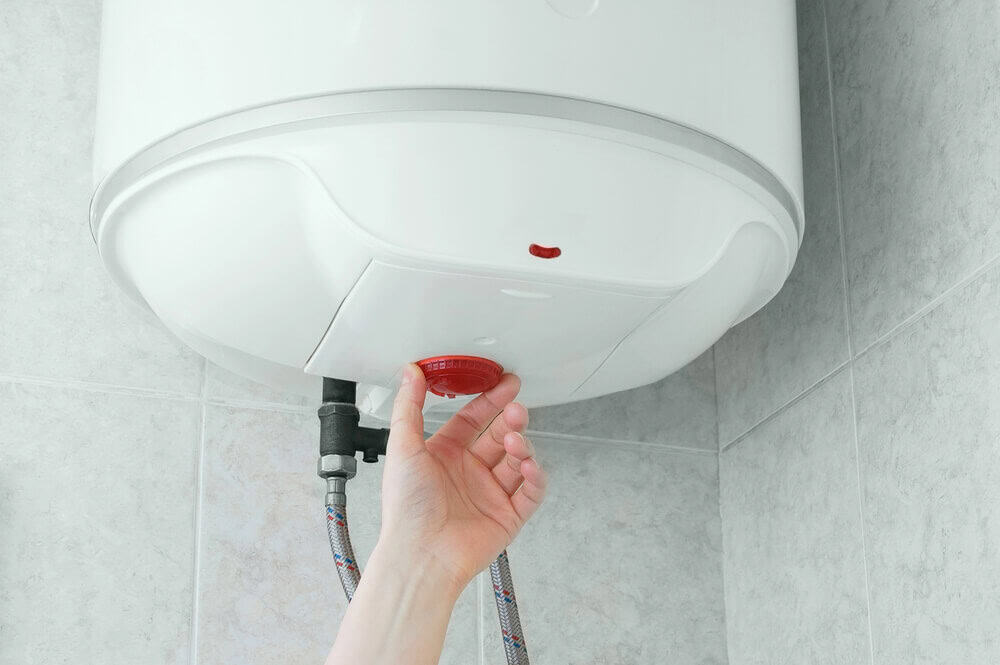
Most modern controllers let you set start times and run durations with minute level accuracy, but simple mechanical timers remain common and reliable in many homes where they are easier to repair or replace. Aim for a temperature that is high enough to slow bacterial growth yet low enough to reduce scald risk at the tap; a few degrees either way can make a big difference over time.
When the household has children or elderly members, install thermostatic mixing valves at faucets to keep delivered water at a friendly level while the tank stays hotter for safety. Test taps after changes so nobody gets an unpleasant surprise first thing in the morning.
Preventing Legionella And Other Hazards
Stagnant or tepid water creates the kind of environment where Legionella and other microbes can flourish, particularly in large tanks or systems with long runs of piping that are seldom used. Periodically raising the tank temperature for a controlled thermal disinfection cycle helps kill off bacteria without needing chemicals, and flushing little used taps will clear out warm water sitting idle in branch lines.
Keep an eye on corrosion and sediment that can harbor microbes by inspecting anode rods and draining a small sample for clarity every few months. If any illness patterns appear in the household or if water looks cloudy, call a qualified technician for testing before assuming all is fine.
Maintenance Routines That Keep Water Safe
Regular maintenance is the foundation of safe hot water operation and it pays in both longevity and steady performance, with small tasks preventing large failures down the road. Flushing the tank annually removes sediment that robs efficiency and can hide corrosion, while checking the pressure relief device and thermostat operation helps catch faults early.
Record keeping with dates and simple notes on what was done or found makes it easy to spot trends and to brief a technician quickly when a repair is needed. A little attention now and then avoids the pitfall of being caught cold when the heater finally gives up the ghost.
When To Call A Professional
Some tasks are squarely in the do it yourself realm while others call for trained hands and proper certification, such as replacing elements or dealing with gas lines and venting. If a heater leaks, makes unusual noises, trips breakers, or shows signs of rust that runs faster than a single year’s worth of wear, seeking a licensed technician is the smart move and can prevent safety hazards.
A pro can also tune timers for multi tariff plans and verify that wiring and insulation meet local safety codes so the system will run without unexpected trips or damage. Small repairs done badly tend to cost more later, so avoid cutting corners on core safety items.
Practical Tips For Lower Bills And Less Waste
Start by matching the heater’s capacity to actual demand rather than guessing up or down, since a tank that is too large wastes energy and one that is too small forces midday boosting that erases savings. Use low flow fixtures and repair leaks promptly so stored heat is not drained away by slow drips, and insulate accessible piping to reduce loss during the period between tank and tap.
If you have solar panels or a battery system, try to align charging and heating windows to make the most of locally generated energy and to reduce reliance on expensive grid supply. Small behavioral nudges like timing showers or running dishwashers to follow the tank s prime heating window can add up quickly on the bill.


