
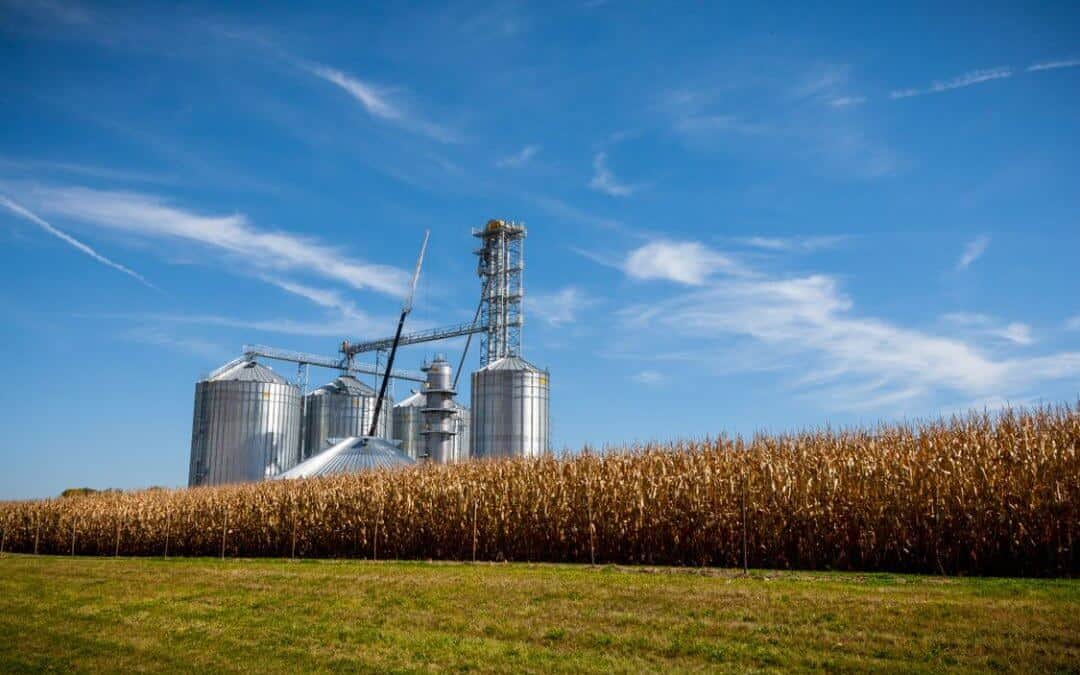
CHS began a major grain-handling expansion at Langdon, North Dakota, in September 2026. The project adds an 850,000-bushel steel bin and a third receiving conveyor, with operations expected to begin by August 2027. Its most important feature may be operational rather than structural: the site will be able to receive three commodities at the same time.
CHS says the expansion should improve grain segregation, reduce reliance on temporary storage and make deliveries more efficient. The project announcement identifies an 850,000-bushel steel bin as the central storage addition.
Capacity only helps when grain can move
A large bin does not eliminate queues if receiving equipment becomes the bottleneck. Adding another conveyor changes how trucks are routed, how commodities are separated and how quickly incoming grain reaches the correct storage path. The value of the new capacity therefore depends on controls, transfer equipment and operating procedures as much as shell volume.
Simultaneous handling also raises the cost of a routing error. Gates, conveyors and control logic must make the intended path obvious and verifiable. Cleanout access matters when one commodity follows another, particularly where quality specifications or customer contracts limit cross-contamination.
Grain condition remains the long-term test
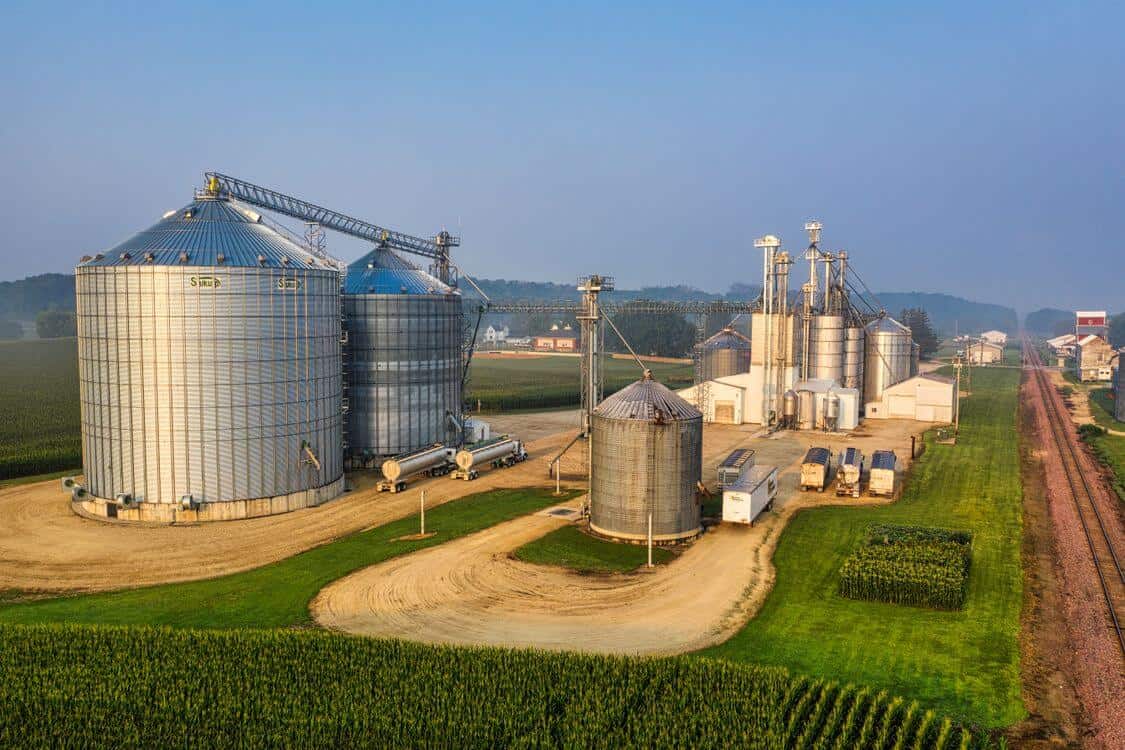
Once grain enters the silo, temperature and moisture management determine how much of it remains marketable. Aeration needs to be designed for the bin geometry and expected grain depth. Temperature monitoring, roof ventilation and routine inspection help operators identify hotspots, condensation or spoilage before losses spread.
The Langdon project presents a more useful measure of expansion than bushels alone. It combines permanent storage with higher receiving flexibility and better segregation. For other facilities considering a Grain Silo, the lesson is clear: size the structure around the complete flow path, the commodity mix and the controls needed to preserve quality after harvest.
Receiving capacity should be tested against realistic peak-day conditions. Truck arrival patterns, pit size, conveyor rate, sampling and grading can each govern turnaround time. A high-capacity leg offers limited benefit if vehicles wait for a single scale or if operators cannot direct grain quickly enough after quality results are available.
The third conveyor also creates opportunities for redundancy. A facility may be able to continue handling some commodities while another route is cleaned or maintained. Whether that benefit is achieved depends on the arrangement of gates, distributors and transfer points, so flow diagrams should be reviewed with operators before equipment locations are fixed.
Structural and safety systems remain essential
An 850,000-bushel bin must resist stored-product pressure as well as wind, snow and loads from attached equipment. Foundation design depends on site soils and settlement behavior. Uneven movement can distort the shell, affect conveyor alignment and complicate the operation of doors or unloading equipment.
Grain dust also requires deliberate hazard controls. Housekeeping, dust collection, bearing monitoring and suitable electrical equipment help reduce ignition and explosion risk. Emergency access, lockout points and rescue planning should be integrated into the layout rather than added after the conveying system is installed.
Commissioning is the final link between design and operation. Controls should be tested through normal routes, full-bin restrictions and credible fault conditions. Staff need clear procedures for changing commodities, responding to a plugged conveyor and verifying that gates are in the intended position. The new storage earns its value only when the whole handling system works safely during the busiest weeks of the year.
Future operating changes should be considered as well. Grain mix, harvest timing and customer specifications can evolve over the life of the structure. Space for additional sampling, monitoring or conveying equipment may be inexpensive to preserve during construction and costly to create later.
Performance after startup can be measured with truck turnaround time, receiving rate, cleanout duration, energy use and quality losses. Those figures show whether the expansion solved the intended bottlenecks. They also give operators evidence for adjusting conveyor sequencing, aeration schedules and maintenance before the following harvest.


