
Texas sees a wide variety of weather that pushes roofing systems to their limits more often than many other states. Insurance carriers are shifting their preferences for roof materials as claims data and repair experience accumulate.
Metal roofing has become more common in some underwriting books because it offers tangible advantages that change both the frequency and severity of losses. Home owners and policy writers alike are watching how different roof types behave over time and how that behavior feeds into pricing models.
Risk Reduction And Premium Stability
Insurers count losses and look for patterns that explain why some properties trigger claims more often than others, and roofing is a major part of that picture. Metal roofs that resist common forms of damage can reduce the total number of roof related claims on a given set of policies, giving carriers clearer loss histories to work with.
When a material performs consistently under heavy wind, hail and prolonged sun exposure, actuaries can craft pricing with greater confidence and fewer surprise spikes. Over time that kind of predictability can lead to steadier premium paths and less reactive rate making.
Wind And Hail Resistance
Strong wind gusts and hard hail are frequent reasons for roof repairs and replacements in Texas communities that face coastal storms and spring squalls. Carefully engineered metal panels and secure fastening systems tend to resist uplift and show fewer loose edges that are vulnerable to tearing in high winds.
Hail can dent metal in some cases, yet modern alloys, thicker gauges and resilient coatings reduce impact damage and slow the progression toward failure. Claims handlers who compare loss patterns across roof types often note that metal roofs shift the shape of payouts away from small frequent claims toward occasional larger events that are easier to quantify.
Longevity And Cost Effectiveness
Longevity is a simple but powerful metric for carriers that balance upfront replacement cost against the lifetime probability of future losses and repairs. Many metal roofs last several decades longer than standard shingle roofs, reducing the odds that a full replacement will fall inside a typical policy period.
The initial price tag for metal can be higher, but when repair cycles, maintenance needs and end of life replacement are accounted for, the long term cost picture often improves. That arithmetic catches the eye of underwriters who run models that reward lower aggregate payout expectations over multiple policy years.
Fire Resistance And Safety Concerns
Wildfire exposure and stray embers are valid worries in communities that border dry brush or see seasonal grass fires, and roofing material choice matters in those contexts. Metal does not burn and does not contribute fuel to an advancing fire front, which can lower the likelihood of roof ignition when embers fall.
Insurers sometimes reclassify properties or alter coverage terms when a non combustible roof is present because the structure level risk falls. Fewer fire related losses for a block of properties can prompt carriers to offer more favorable terms to owners with such roofs on their homes.
Energy Efficiency And Cooling Benefits
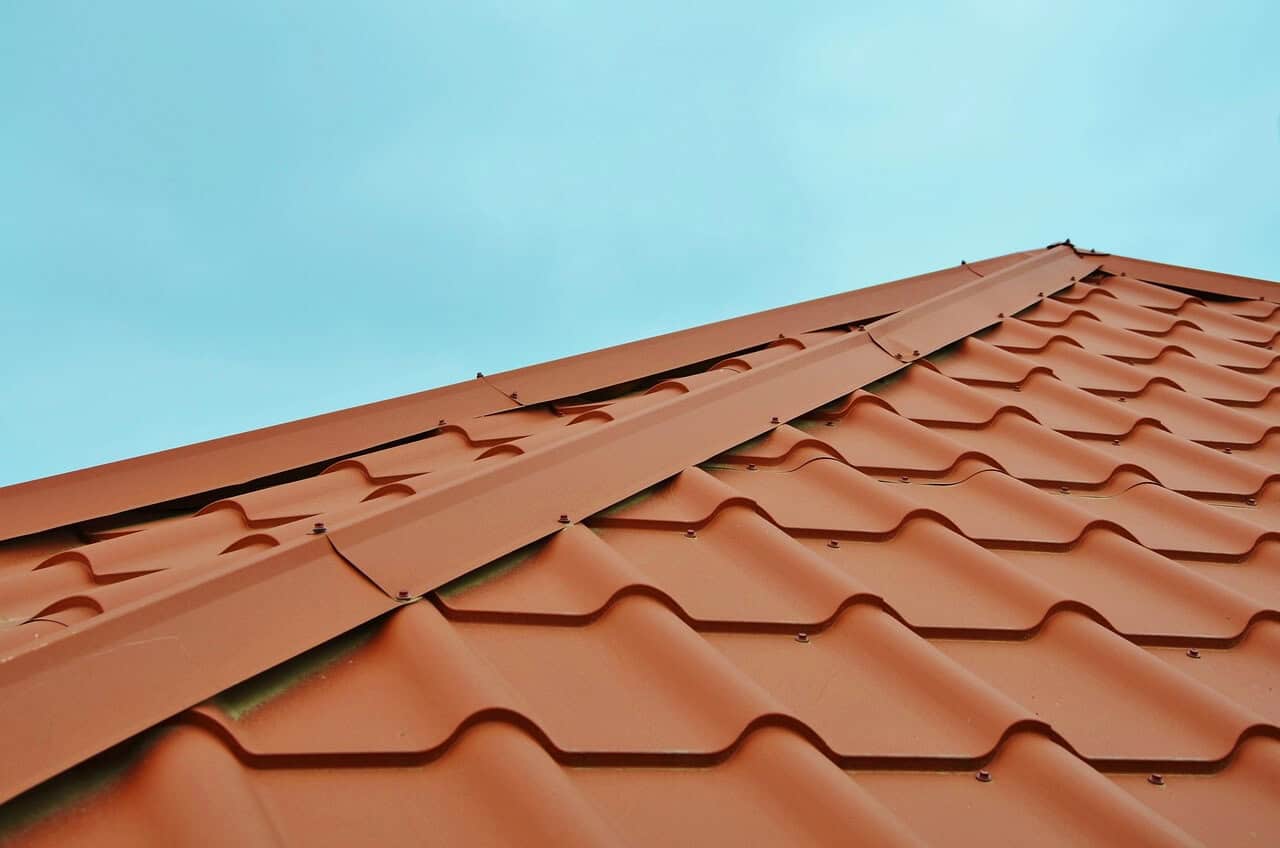
Roof surface reflectivity and heat transfer affect interior comfort and the workload for cooling systems in long hot periods, which is a real expense for many households here. Certain metal coatings and finishes reflect a larger share of incoming solar energy and help keep the attic and living spaces cooler than darker alternatives.
Some homeowners specifically choose metal roofing to avoid cooling costs that compound every Austin summer, especially during extended stretches of triple digit heat.
Cooler roofs reduce strain on air conditioning equipment and can lower utility bills, which in turn reduces the number of heat related failures or premature equipment claims. When claims tied to accelerated aging and heat stress drop, underwriters update their loss models and factor efficiency into rate calculations.
Storm Recovery And Claims Frequency
Following a major storm the volume of filings and the timing of payouts shape how carriers respond in the next policy cycles, with administrative burden and repair costs both playing a role. Roofs that remain watertight and shed debris quickly cut the number of small claims for leaks and secondary interior damage that flood adjusters and field teams must handle.
Metal systems that prevent water intrusion and speed dry out reduce the downstream threat of mold and structural decay that can multiply repair costs. A lower frequency of these common claim types helps insurers manage loss ratios and keep underwriting decisions more steady for a set of neighborhoods.
Material Variability And Quality Standards
It is important to remember that the term metal roof covers a range of alloys, thicknesses and coatings that perform differently in real world conditions. Coating life, seam integrity and fastener performance all shape how a roof ages, and cheaper products with poor installation details can fail early and reverse any expected advantage.
Carriers often ask for manufacturer data, fire and wind ratings, or third party test results before they will offer a premium benefit tied to a roof type. That trend toward standardization and documented performance helps underwriters move from guess work to objective measures when they evaluate property risk.
Installation Practices And Contractor Training
A roof is only as strong as its design thinking and the hands that set it in place, so installation matters a great deal for long term performance. Correct flashing, overlap practices and attachment patterns interact with local wind and water forces and determine whether a roof will weather the storm or require ongoing repairs.
Insurers review installer credentials, warranty details and service histories when they decide if a property should qualify for a rate adjustment tied to roof material. Training programs and contractor accreditation help confirm that a metal roof will meet the performance standards carriers rely upon after a few seasons of weather.
Consumer Demand And Market Trends
Buyer preference influences what shows up on insurer books and the data sets that companies use to refine their risk models, and roof choice is no exception to that dynamic. A growing number of owners look for durable materials that cut maintenance tasks and add visible curb appeal at resale, which pushes builders to offer metal options more frequently.
Every additional installation provides another reference case for adjusters and actuaries who want real world evidence about loss patterns and repair timelines. As that pool of case histories grows, insurers compile stronger evidence that can shift underwriting rules and encourage wider acceptance of metal roofs in policy language.


