
Choosing between dental implants and dentures is a frequent crossroads for people who have lost teeth. Each route brings distinct benefits and trade offs that touch daily comfort, chewing ability, and facial shape.
Some people value long term stability and strength while others place a premium on faster treatment and lower up front cost. Important questions involve jaw bone health, ease of care, look and feel, and the time it takes to get back to normal eating.
What Are Dental Implants
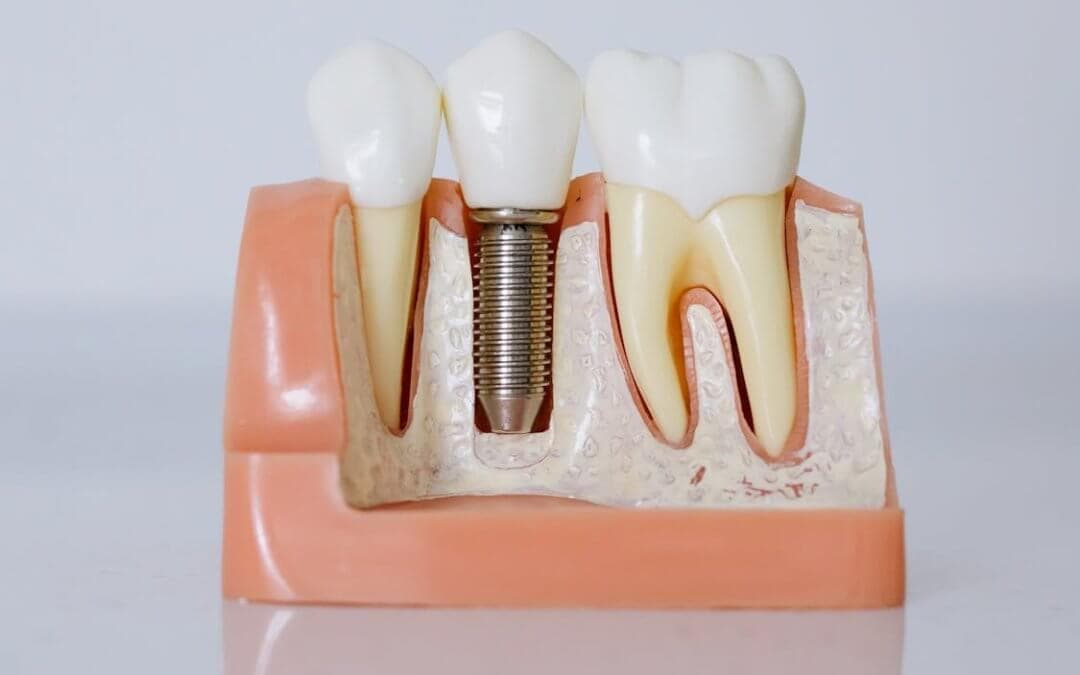
Dental implants are titanium posts that are placed into the jaw bone to act like natural tooth roots. Over time the bone will grow around the post in a process called osseointegration and that creates a secure anchor for a crown or bridge.
The crown then sits above the gum and is shaped to match surrounding teeth, which helps with chewing and appearance. For many patients an implant feels much closer to a real tooth than a removable plate.
What Are Dentures
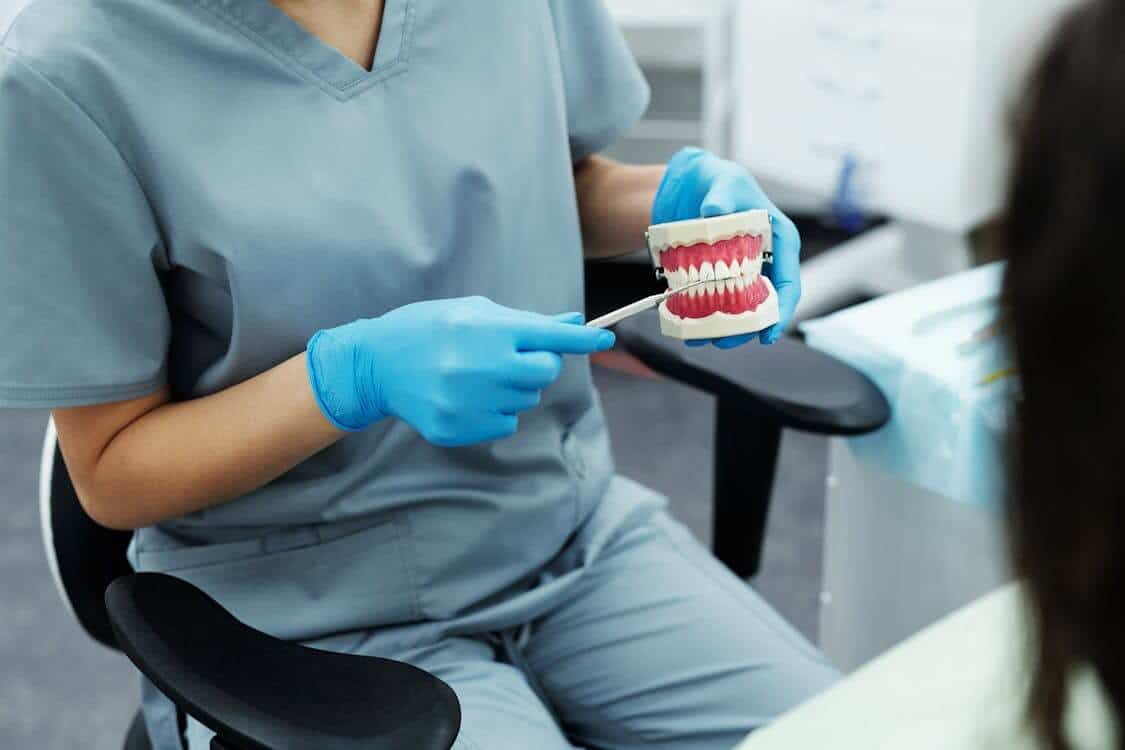
Dentures are removable sets of artificial teeth mounted in a gum colored base that rests on the gums. They can replace a few missing teeth or a full arch and provide a rapid route to a restored smile for people who need quick care.
Modern denture materials are lighter and more life like than older versions, yet they still sit on top of the tissue rather than becoming part of the jaw. Most wearers remove their dentures nightly and clean them separately to control odor and plaque.
How They Compare In Comfort And Function
Implants feel more like natural teeth because they transfer bite forces through the root area into the jaw, which reduces slipping and shifting. Dentures can move during eating or speaking and many users require adjustments, relines, or adhesive until the fit stabilizes.
When it comes to bite strength implants usually provide stronger chewing capacity and allow a wider range of foods with greater confidence. Still, a number of denture wearers adapt quickly and find the prosthesis comfortable in everyday settings.
Impact On Bone Health
The presence of an implant stimulates the jaw bone in a way that helps the body maintain bone volume where the tooth root once sat. Without that stimulation the jaw often resorbs or shrinks over time and the face can lose fullness near the mouth.
Dentures resting on top of the gums do not supply the same internal load and so they do not stop that process unless they are implant supported. For long term structural stability implants tend to offer an advantage in preserving bone.
Durability And Longevity
A properly placed implant can remain stable for decades and many patients keep the implant for life with routine care and monitoring. The visible crown may need replacement from wear or fracture but the titanium post typically stays in place if integration is solid.
Dentures wear out more quickly and will need relines, repairs, and periodic replacement as the jaw changes shape. Over the years the total cost for removable prosthetics can approach or exceed initial implant expenses because of those recurring upkeep needs.
Aesthetics And Speech
Implants sit in the mouth in a way that closely matches natural tooth position, which helps maintain lips and cheeks in their usual places and supports a natural smile. Dentures can change how the tongue and lips interact with the roof of the mouth and that may alter speech until the wearer retrains articulation.
Talented technicians can create dentures that fit like a glove and look attractive, though perfect mimicry of a single natural tooth remains challenging. People with jobs that involve public speaking or singing often pay attention to small differences in clarity.
Cost Factors To Weigh
Implant care commonly involves surgical fees, imaging, the implant post, and a crown which together produce a higher up front figure than a simple denture. Dentures are less expensive initially and a partial or full set can be fabricated relatively quickly once molds are taken.
Long term comparisons must include the likely schedule for repairs and replacements, visits for relining, and possible bone grafting if implants will be placed later. Insurance coverage differs widely and financing or staged care plans often change how feasible each option is for a given budget.
Maintenance And Daily Care
Caring for an implant is very similar to caring for natural teeth with daily brushing, flossing, and regular professional cleanings and exams. Dentures require daily removal, brushing with a soft brush or soaking in a cleaning solution, and attention to the fit as the jaw changes.
Implants do not call for adhesives and many patients say not having to remove their teeth for cleaning feels liberating. Both routes need consistent dental follow up to catch small problems before they grow into something more serious.
Who Is A Good Candidate
People who have healthy gums and enough jaw bone are often good candidates for implants, and when bone is thin, grafting can create the volume needed to place a post. Certain health factors such as heavy tobacco use or poorly controlled blood sugar can reduce the odds of long term success for implant surgery.
Dentures work well for people who lack sufficient bone and for those who prefer to avoid surgical procedures, while also allowing easy adjustment of teeth position. Age by itself is rarely the deciding factor since older adults with sound health often do very well with implants.
The Procedure Timeline
Implant treatment is staged and usually takes several months because the bone needs time to heal and integrate with the post before the permanent crown is attached. Some practices offer immediate provisional crowns that restore appearance and function while deeper healing occurs beneath the surface.
Dentures commonly move from impression to final fit within a few weeks, and immediate temporary dentures can give a ready smile after extractions. Each approach has its own rhythm of visits, checks, and short term discomfort that patients should expect.
Risks And Complications
Placing an implant is surgery and with any surgical step there are risks like infection, nerve irritation, or failure of the post to integrate, though careful planning lowers those odds. Poor hygiene and ongoing smoking raise the chance that an implant might loosen over time and need removal.
Dentures can lead to sore spots, slippage, and pressure related bone change until adjustments are made, and prolonged ill fit can affect nutrition if chewing is reduced. Frequent follow up appointments help reduce the likelihood that small issues will become bigger problems.
Making The Right Choice For You
Choosing a path hinges on personal priorities such as long term stability, budget, tolerance for surgery, and the desire for a fixed versus removable solution. Some people bite the bullet for implant surgery because they want a durable tooth replacement that behaves like the real thing, while others select dentures to match current timing and finances.
For elderly patients, a well-structured dental care plan for elderly patients can make the decision process easier by addressing specific needs like bone health, gum condition, and overall lifestyle preferences.
A dental professional will review images, medical history, and practical goals to outline realistic options and the trade offs involved. Open dialogue between the patient and clinician often finds a plan that fits both clinical needs and daily life.


