
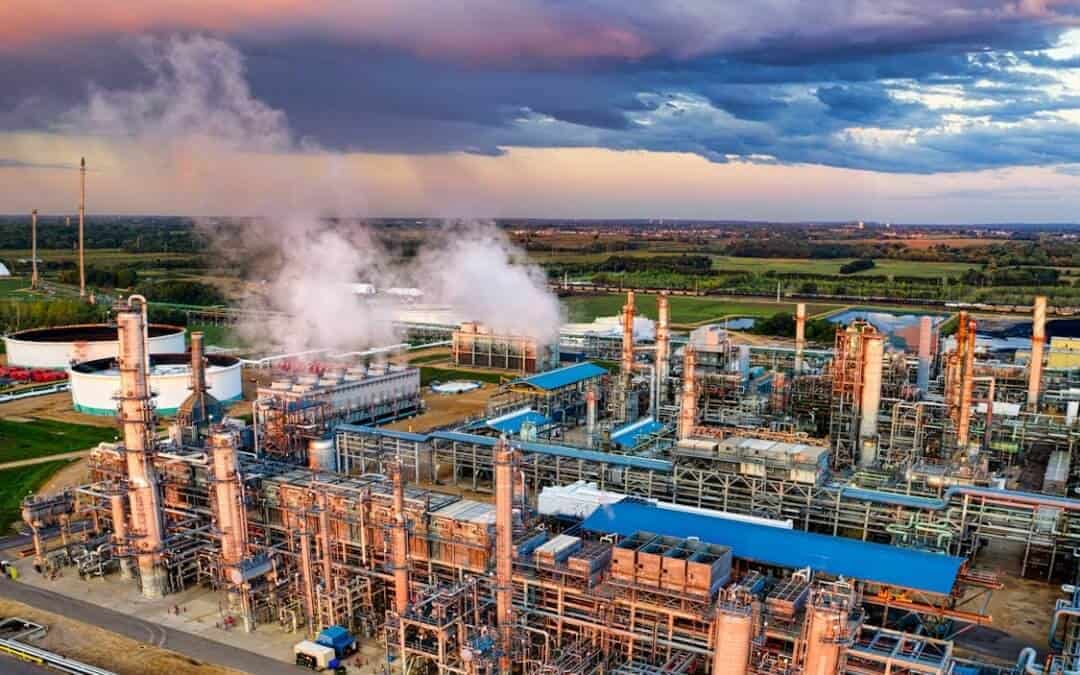
Choosing the right pipe for an oil project takes more than picking a size and a price. Safety rules, operating conditions and the material behavior under stress all play a role in the final choice.
Engineers and site teams need to read standards, match components and plan for the life of the line. A smart selection process reduces surprises and keeps operations running.
Standards And Codes
Regulatory standards set the bare minimum for safe pipe use and they come from agencies and trade bodies with technical panels and long histories. Familiarity with the main codes allows teams to set a baseline that meets legal and market expectations while leaving room for project specific enhancements.
Mapping the project needs to the applicable sections of a given standard reduces guesswork and helps when third party review is required. It is a good idea to keep the version and any amendments in a project folder so audits are cut and dried.
Material Selection And Grades
Choosing the alloy or polymer grade is about matching chemical exposure, mechanical load and temperature over the life of the system rather than a one off fit. Carbon steels, low alloy steels and corrosion resistant alloys each have trade offs in toughness, cost and weldability that need to be balanced against the fluid and the environment.
In highly corrosive environments, opting for a Duplex pipe can offer both superior strength and enhanced resistance to pitting and stress corrosion.
Suppliers provide mechanical data and mill test reports that show tensile, yield and impact performance and these documents are the bread and butter of a materials review. A simple rule of thumb is to prefer materials with known field performance and pedigree for the same service conditions.
Design And Wall Thickness
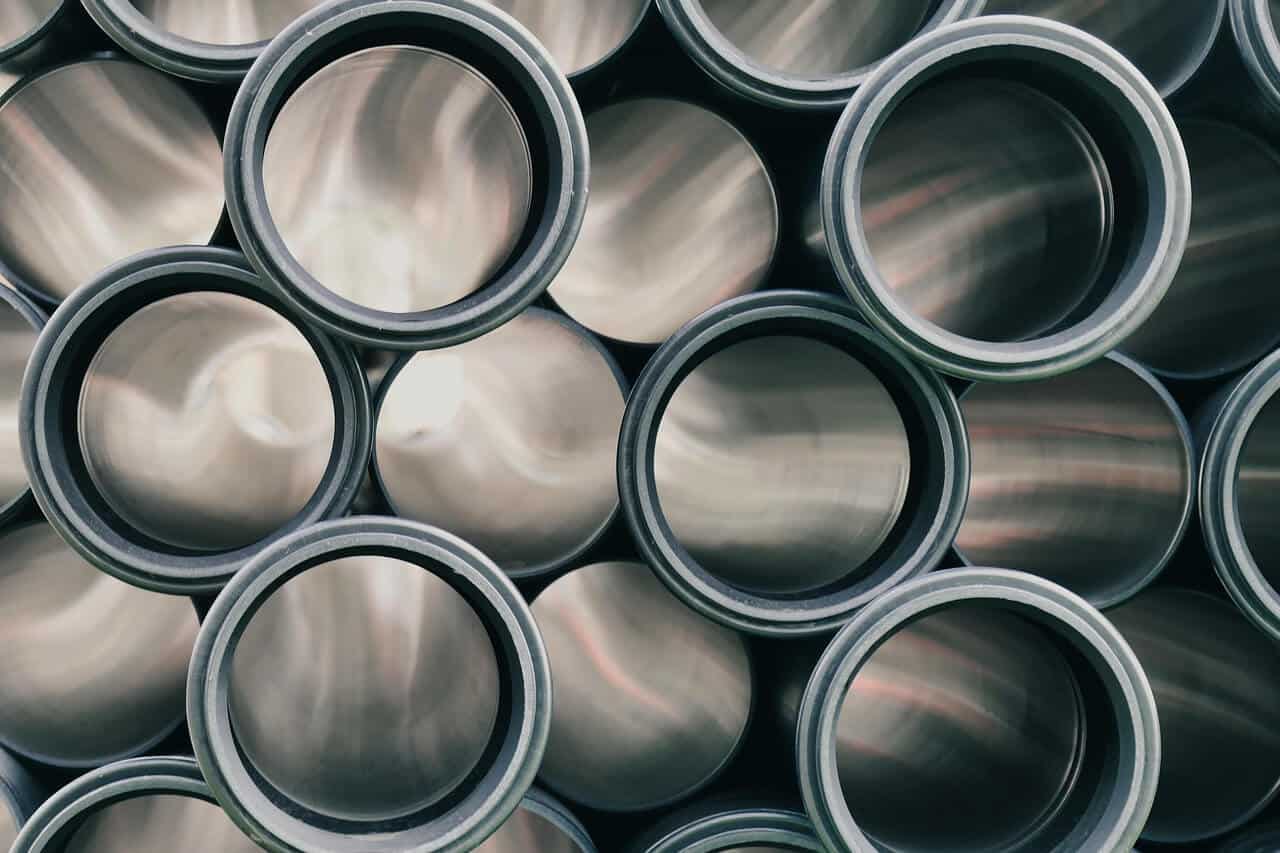
Wall thickness is not a single number pulled from a chart without thought but a design outcome based on pressure, temperature, corrosion allowance and safety factors. Engineers use formulas and tables to translate maximum allowable working pressure into dimensions that can handle both steady state loads and transient spikes.
It is useful to factor in future corrosion and erosion by adding a reasonable allowance rather than leaving the minimum on the drawing. Where the service includes some mechanical damage risk the designer should check local thickness at supports and bends as well as the straight runs.
Corrosion Resistance And Mitigation
Corrosion takes many forms and knowing which form will attack the pipe helps pick the right metal, coating and inhibitor plan. Internal corrosion from hydrogen sulfide or carbon dioxide often calls for different alloys or internal linings than external soil or seawater attack, so the inspection and chemistry history inform the choice.
Corrosion control is a layered strategy that mixes material selection, coatings, cathodic protection and chemical dosing so that no single barrier holds all of the responsibility. Regular corrosion monitoring keeps the plan honest, and inspection data should feed back into any future replacement plan.
Welding Fabrication And Joining
Weld quality controls the strength and leak tightness of a system because a pipe is only as good as its joints once it is in service. Weld procedures, welder qualifications and records need to match the pipe material and the design stresses so that the joint has the same toughness and corrosion resistance as the parent metal.
Post weld heat treatment and consumable choice affect crack resistance and chemical compatibility, so those steps should be written into the fabrication plan. A tight fabrication file with procedure numbers and test results helps when the equipment goes for factory or site inspection.
Non Destructive Testing And Inspection
Testing without cutting into the pipe is the norm since an owner does not want to wreck a fitted component to prove it was good. Radiography, ultrasonic testing, magnetic particle and dye penetrant are all tools in the inspector toolbox and each finds different defect types with varying sensitivity.
A program that mixes methods at critical welds and uses higher sample rates for new suppliers builds confidence and reduces field surprises. Inspection records are living artifacts that show where repair versus replacement decisions must be made.
Pressure Testing And Leak Detection
Hydrostatic and pneumatic tests replicate an overpressure event and show weak spots before the pipe sees real service, and they should be done under controlled conditions with clear safety plans. Leak detection systems and routine checks during commissioning catch early fatigue or small manufactures faults that might not show up during static testing.
Testing protocols should state test medium, test pressure, duration and acceptance criteria so that all parties know what success looks like. For long term safety, consider alarms and trending so a slow change is visible long before a failure grows.
Coating Lining And Cathodic Protection
External coatings and internal linings form another line of defense and they change how the metal meets its environment, so both selection and application quality matter. Coatings fail when surface preparation is poor or when handling damages the film, so field inspection of the coating after installation is as important as the certificate from the factory.
Cathodic protection extends life in buried or submerged services but it needs monitoring probes and periodic checks to make sure it stays effective. Combining several protective measures spreads the risk and reduces the chance that a single failure will cause a major leak.
Installation And Field Testing
Even with the right components on paper a poor installation will undo many careful choices and generate trouble down the line, so supervision and skilled crews are worth the price. Aligning joints, supporting weight, and avoiding uncontrolled bending are basic steps that take attention and practice to get right in a busy site environment.
Temporary supports, tag systems and punch lists help dot the i’s and cross the t’s before pressure goes into the line. After installation, a systematic walk down and a sponsored test pass the line from construction into operations with documented status.
Documentation Traceability And Supplier Qualification
Traceability ties the party to the pipe from mill to site and keeps the procurement honest because each heat, each batch and each test can be traced back to a certificate. Supplier audits and supplier performance records show whether a vendor can repeat quality at scale and provide consistent material test reports and fabrication records.
A good file links procurement purchase orders, certificates, weld maps and inspection results so that an incident investigator can quickly find the facts. Treat supplier quality as a living metric and use past deliveries to shape future approvals.


